Call us now :
 Send Inquiry
 Send Inquiry
Double Socket Reducers
MOQ : 100 Pieces
Double Socket Reducers Specification
- Sealing Type
- Solvent weld sealing
- Tolerance
- 0.2 mm
- Thread Type
- Not applicable (socket type)
- Diameter
- Varies as per product, e.g., 32x25 mm, 63x50 mm
- Coating Type
- Uncoated
- Yield Strength
- 47 MPa (approx)
- Connection Type
- Socket/Solvent Weld
- Temperature Range
- 0C to 60C
- Flexibility
- Rigid
- Tensile Strength
- 52 MPa (approx)
- Product Type
- Double Socket Reducer
- Material
- UPVC (Unplasticized Polyvinyl Chloride)
- Connection
- Socket End
- Shape
- Reducer
- Standard
- ASTM D2467 / ISO 1452
- Surface Treatment
- Smooth, Non-corrosive finish
- Outer Diameter
- Range: 20 mm to 110 mm
- Section Shape
- Round
- Length
- Variable, as per reducer size
- Thickness
- 2 mm to 5 mm (Depending on size)
- Color
- Grey
- Usage
- Plumbing, Irrigation, Industrial Piping
- Rated Pressure
- PN10 / PN16 (10-16 Bar)
- Material Grade
- Type 1, Grade 1 (as per ASTM)
- Application
- Pipe jointing, pipeline resizing
- Chemical Resistance
- Excellent against most acids, alkalies, and salts
- Packaging Type
- Carton box or HDPE bags
- UV Resistance
- Moderate
- Flow Characteristic
- Hydraulic smooth bore ensures low friction loss
- Installation
- Easy solvent cement joining
- Fire Resistance
- Self-extinguishing
- Weight
- Lightweight, varies by size
Double Socket Reducers Trade Information
- Minimum Order Quantity
- 100 Pieces
- Supply Ability
- 1000 Pieces Per Month
- Delivery Time
- 7 Days
- Main Export Market(s)
- Asia, Australia, Central America, North America, South America, Eastern Europe, Western Europe, Middle East, Africa
About Double Socket Reducers
100X
125X
150X
200X
250X
300X
Superior Chemical Resistance
Our Double Socket Reducers are specifically designed to withstand exposure to a wide range of acids, alkalies, and salts, making them an optimal choice for demanding chemical environments. Their robust UPVC (Unplasticized Polyvinyl Chloride) construction prevents corrosion, ensuring longevity and minimal maintenance in pipeline systems.
Effortless Installation and Connection
Installation is straightforward thanks to the socket end design and solvent weld sealing system. Simply apply solvent cement and securely join the reducer to the pipes. No threading or complicated tools are required, which minimizes downtime and labor costs during setup.
Optimized for Flow and Safety
Featuring a hydraulically smooth bore, these reducers ensure low friction loss, promoting efficient flow within your pipelines. They are also self-extinguishing, adding an extra layer of safety in fire-prone areas. With variations in length, diameter, and pressure rating, they cater to diverse industrial, irrigation, and plumbing requirements.
FAQ's of Double Socket Reducers:
Q: How do I install a Double Socket Reducer with UPVC material?
A: Double Socket Reducers are installed using solvent cement welding. Clean the pipe and reducer ends, apply the recommended solvent cement, and connect the pieces. Hold in place as directed to ensure a strong and leak-proof joint. No threading or special equipment is needed.Q: What makes these reducers chemically resistant?
A: The reducers are crafted from UPVC, which inherently resists chemical attacks from most acids, alkalies, and salts. This property makes them suitable for use in aggressive environments such as chemical processing plants, industrial piping, and irrigation systems handling various fluids.Q: Where can I use Double Socket Reducers?
A: These reducers are suitable for use in plumbing, irrigation, and a wide range of industrial piping applications where pipe resizing or jointing is needed. Their versatility and chemical resistance make them ideal for installations exposed to corrosive substances.Q: What are the benefits of the hydraulic smooth bore in these reducers?
A: The hydraulically smooth bore minimizes internal friction losses, allowing fluids to flow efficiently with less turbulence. This not only improves system performance but also reduces energy consumption and extends the lifespan of the piping system by lowering wear and tear.Q: When should I choose the PN10 or PN16 rated Double Socket Reducer?
A: Select PN10 or PN16 rating based on the pressure requirements of your application. PN10 is suitable for systems operating up to 10 bar, while PN16 is recommended for higher pressures up to 16 bar, ensuring safety and reliability according to your system's specifications.Q: What sizes and shapes are available for these reducers?
A: The reducers come in a round section shape with outer diameters ranging from 20 mm to 110 mm and thicknesses between 2 mm and 5 mm, depending on size. This range allows you to choose the right fit for your specific pipeline resizing or jointing needs.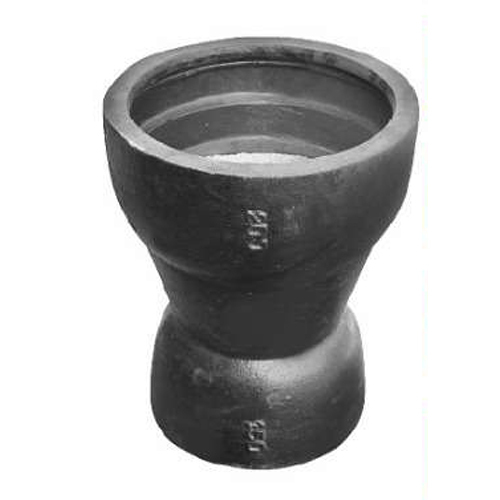
Tell us about your requirement

Price:
Quantity
Select Unit
- 50
- 100
- 200
- 250
- 500
- 1000+
Additional detail
Mobile number
Email

More Products in Valve and Fittings Category
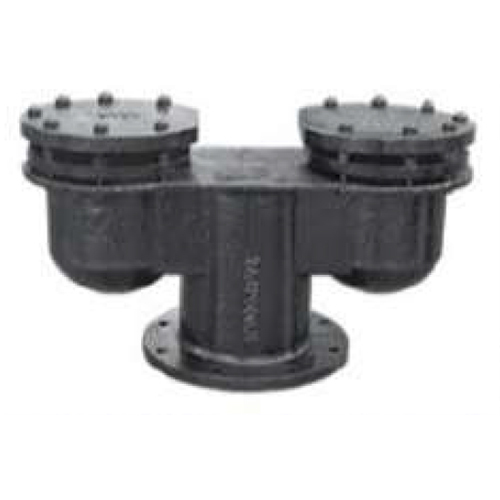
Double Action Air Valve
Minimum Order Quantity : 100 Pieces
Rated Pressure : 10 bar
Material Grade : CW617N
Surface Treatment : Other, Nickel Plated
Thickness : 2 mm
Coating Type : Electroplated
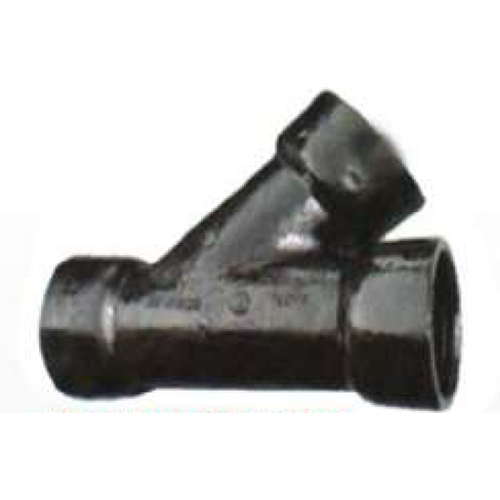
All Socket Y Tees
Minimum Order Quantity : 100 Pieces
Rated Pressure : Up to 3000 PSI
Material Grade : SS304 / SS316
Surface Treatment : Other, Polished
Thickness : 2 mm 10 mm
Coating Type : Uncoated
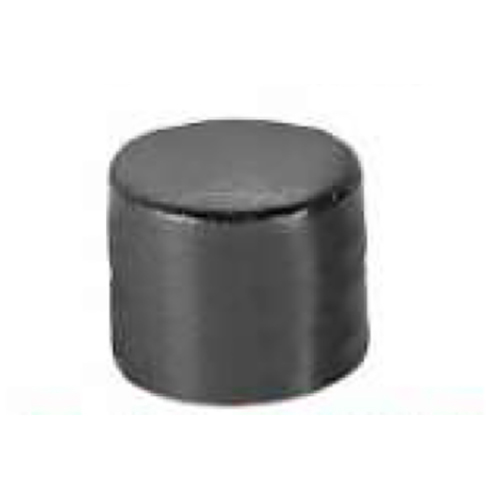
End Plug
Minimum Order Quantity : 100 Pieces
Rated Pressure : 10 bar
Material Grade : UPVC
Surface Treatment : Other, Smooth Finish
Thickness : 2 mm
Coating Type : Uncoated
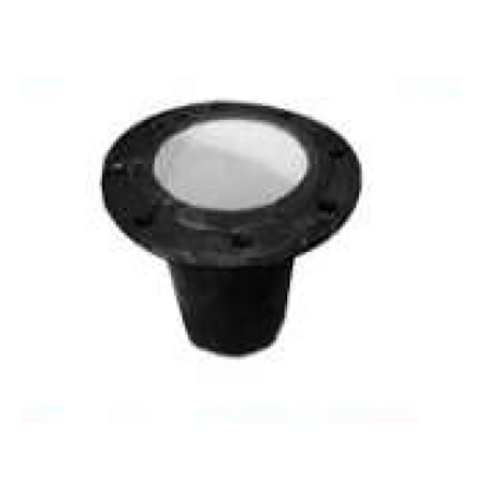
Flanged Spigot
Minimum Order Quantity : 100 Pieces
Rated Pressure : PN10 / PN16
Material Grade : DI GJS 500/7
Surface Treatment : Other, Epoxy Coated
Thickness : 8 mm
Coating Type : Fusion Bonded Epoxy

 Send Inquiry
Our Products
- Pipes Fittings
- Industrial Valves
- Control Valve
- Butterfly Valve
- Ball Valve
- Gate Valve
- Diaphragm Valve
- Plug Valve
- Needle Valve
- Globe Valve
- Solenoid Valve
- Rotary Valve
- Pressure Regulators
- Bend Pipe
- Flanged Pipe
- Sluice Valve
- Pipe Tee
- Air Valve
- Cast Iron Flanges
- Foot Valve
- Check Valve
- Ductile Iron Fittings
- Dried Fruits
- Natural Spices
- Valve and Fittings
- Manhole


Bharat Colony, Telianwal BatalaBatala - 143505, Punjab, India

Mr. Manjeet
Mobile :+917087478994, +919501224454
 Send Inquiry
 Send SMS
Developed and Managed by Infocom Network Private Limited.
 English
 Spanish
 French
 German
 Italian
 Chinese (Simplified)
 Japanese
 Korean
 Arabic
 Portuguese