
Call us now :
 Send Inquiry
 Send Inquiry
Double Flanged Reducers
MOQ : 100 Pieces
Double Flanged Reducers Specification
- Coating Type
- Fusion Bonded Epoxy
- Sealing Type
- Gasket Sealing
- Flexibility
- Rigid
- Temperature Range
- -10C to +80C
- Diameter
- DN 50 to DN 1000
- Yield Strength
- 250 MPa
- Tensile Strength
- 420 MPa
- Connection Type
- Flanged
- Tolerance
- 1 mm
- Product Type
- Double Flanged Reducer
- Material
- Cast Iron / Ductile Iron
- Connection
- Double Flange
- Shape
- Reducer (Concentric or Eccentric)
- Standard
- IS 1538 / EN 545 / BS 4504
- Surface Treatment
- Epoxy Coated
- Outer Diameter
- 50 mm to 1000 mm
- Section Shape
- Round
- Length
- 150 mm to 600 mm
- Thickness
- 8 mm to 20 mm (Depending on size)
- Color
- Black or Blue
- Usage
- Pipeline Connection / Reducing Pipe Size
- Rated Pressure
- PN 10, PN 16, PN 25
- Application
- Water Supply, Sewage, Industrial Piping
- Material Grade
- GG25, GGG50, ASTM A536
- Corrosion Resistance
- High due to epoxy coating
- Weight
- Varies by size (e.g. 10 kg to 200 kg)
- Inspection
- Hydraulic & Dimensional Inspection
- Flange Holes
- Drilled as per EN 1092-2 / BS 4504
- Face-to-Face Distance
- As per standard (e.g. IS 1538)
- Packing Type
- Wooden Crates / Poly Wrap
- Max Test Pressure
- 1.5 times rated pressure
- End Facing
- Flat Face or Raised Face
Double Flanged Reducers Trade Information
- Minimum Order Quantity
- 100 Pieces
- Supply Ability
- 1000 Pieces Per Month
- Delivery Time
- 7 Days
- Main Export Market(s)
- Asia, Australia, Central America, North America, South America, Eastern Europe, Western Europe, Middle East, Africa
About Double Flanged Reducers
- Connect pipes of different sizes with smooth flow transition.
- Corrosion-resistant and ideal for industrial use.
100x
125x
150x
200x
250x
300x
Precision Manufacturing and Design
Double Flanged Reducers are designed to stringent standards, ensuring consistent face-to-face distances and precise hole drilling according to EN 1092-2 and BS 4504. This attention to detail, along with hydraulic and dimensional inspection, provides reliability and ease of installation in demanding pipeline environments.
Versatile Application and Robust Performance
Offering compatibility with a wide range of pipe sizes and systems, these reducers are ideal for water distribution, sewage lines, and industrial pipelines. Their rigid construction and gasket sealing ensure minimal maintenance and long-term durability even under high pressures and varying temperatures.
High Corrosion Resistance and Quality Assurance
An epoxy-coated surface delivers exceptional protection against corrosion, ensuring longevity in harsh conditions. Each reducer undergoes thorough hydraulic and dimensional inspection, meeting tolerance requirements and guaranteeing consistent product quality.
FAQ's of Double Flanged Reducers:
Q: How are double flanged reducers installed in pipelines?
A: Installation involves bolting the reducer between two flanged pipes using gaskets for sealing. The process requires alignment as per the drilled holes (EN 1092-2/BS 4504) and tightening to specification, ensuring a secure fit for reliable operation.Q: What applications are double flanged reducers best suited for?
A: These reducers are widely used in water supply systems, sewage networks, and industrial piping where pipes of different diameters need to be connected securely while maintaining pressure integrity and preventing leaks.Q: When should a concentric versus an eccentric reducer be used?
A: A concentric reducer is ideal when the centerline of the piping must remain consistent. Eccentric reducers are preferred where drainage or air accumulation is an issue, such as on horizontal pipelines to prevent pooling or air pockets.Q: What quality inspections are performed on these reducers?
A: Each reducer undergoes hydraulic pressure testing at up to 1.5 times the rated pressure, along with dimensional inspection to ensure compliance with standards and a tolerance of 1 mm for precision fitment.Q: Where does the corrosion resistance come from in these reducers?
A: The reducers are epoxy coated using a fusion-bonded process, providing high resistance to corrosion. This makes them suitable for harsh environments and extends their operational lifespan.Q: What are the packing and shipping options for double flanged reducers?
A: Reducers are carefully packed in wooden crates or poly wrap to protect them during shipping and storage, ensuring they arrive in optimal condition for installation on-site.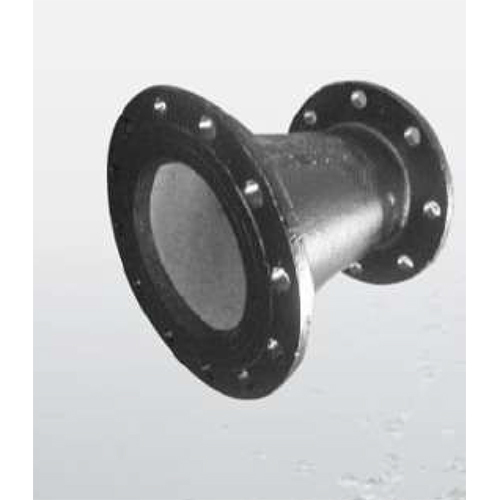
Tell us about your requirement

Price:
Quantity
Select Unit
- 50
- 100
- 200
- 250
- 500
- 1000+
Additional detail
Mobile number
Email

More Products in Valve and Fittings Category
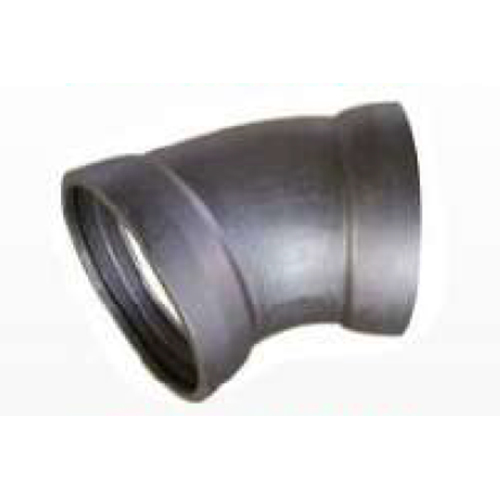
D-S 45 Bend
Minimum Order Quantity : 100 Pieces
Surface Treatment : Other, Bitumen Coated / Epoxy Coated
Sealing Type : Rubber Gasket
Connection : Other, Socketed / Flanged
Length : Custom as per specification
Material : Other , Ductile Iron
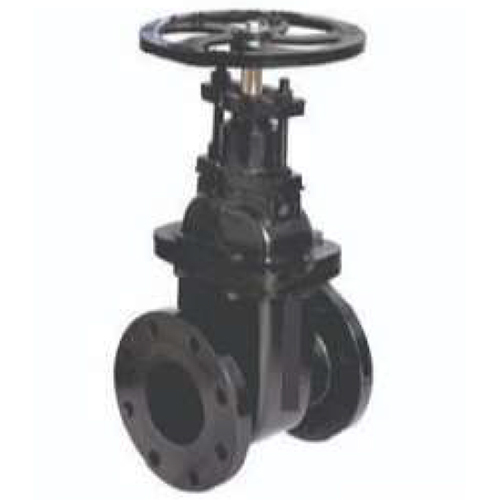
CI Sluice Valve
Minimum Order Quantity : 100 Pieces
Surface Treatment : Other, Anticorrosive Epoxy Coating
Sealing Type : MetaltoMetal/Soft Seated
Connection : Other, Flanged Ends
Length : Varies by size (e.g., 80mm to 600mm)
Material : Other , Cast Iron (CI)
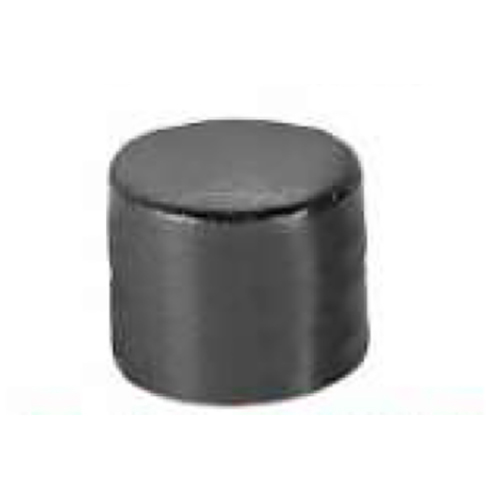
End Plug
Minimum Order Quantity : 100 Pieces
Surface Treatment : Other, Smooth Finish
Sealing Type : Compression
Connection : Other, Push Fit
Length : 15 mm
Material : PVC
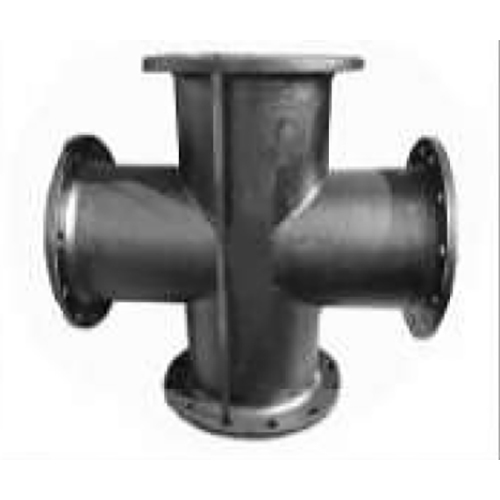
All Flange Cross
Minimum Order Quantity : 100 Pieces
Surface Treatment : Other, Polished
Sealing Type : Gasket Sealing
Connection : Other, Flanged
Length : Customizable
Material : Stainless Steel

 Send Inquiry
Our Products
- Pipes Fittings
- Industrial Valves
- Control Valve
- Butterfly Valve
- Ball Valve
- Gate Valve
- Diaphragm Valve
- Plug Valve
- Needle Valve
- Globe Valve
- Solenoid Valve
- Rotary Valve
- Pressure Regulators
- Bend Pipe
- Flanged Pipe
- Sluice Valve
- Pipe Tee
- Air Valve
- Cast Iron Flanges
- Foot Valve
- Check Valve
- Ductile Iron Fittings
- Dried Fruits
- Natural Spices
- Valve and Fittings
- Manhole


Bharat Colony, Telianwal BatalaBatala - 143505, Punjab, India

Mr. Manjeet
Mobile :+917087478994, +919501224454
 Send Inquiry
 Send SMS
Developed and Managed by Infocom Network Private Limited.
 English
 Spanish
 French
 German
 Italian
 Chinese (Simplified)
 Japanese
 Korean
 Arabic
 Portuguese